Sex Robots Ethics: Why the Debate Asks the Wrong Question
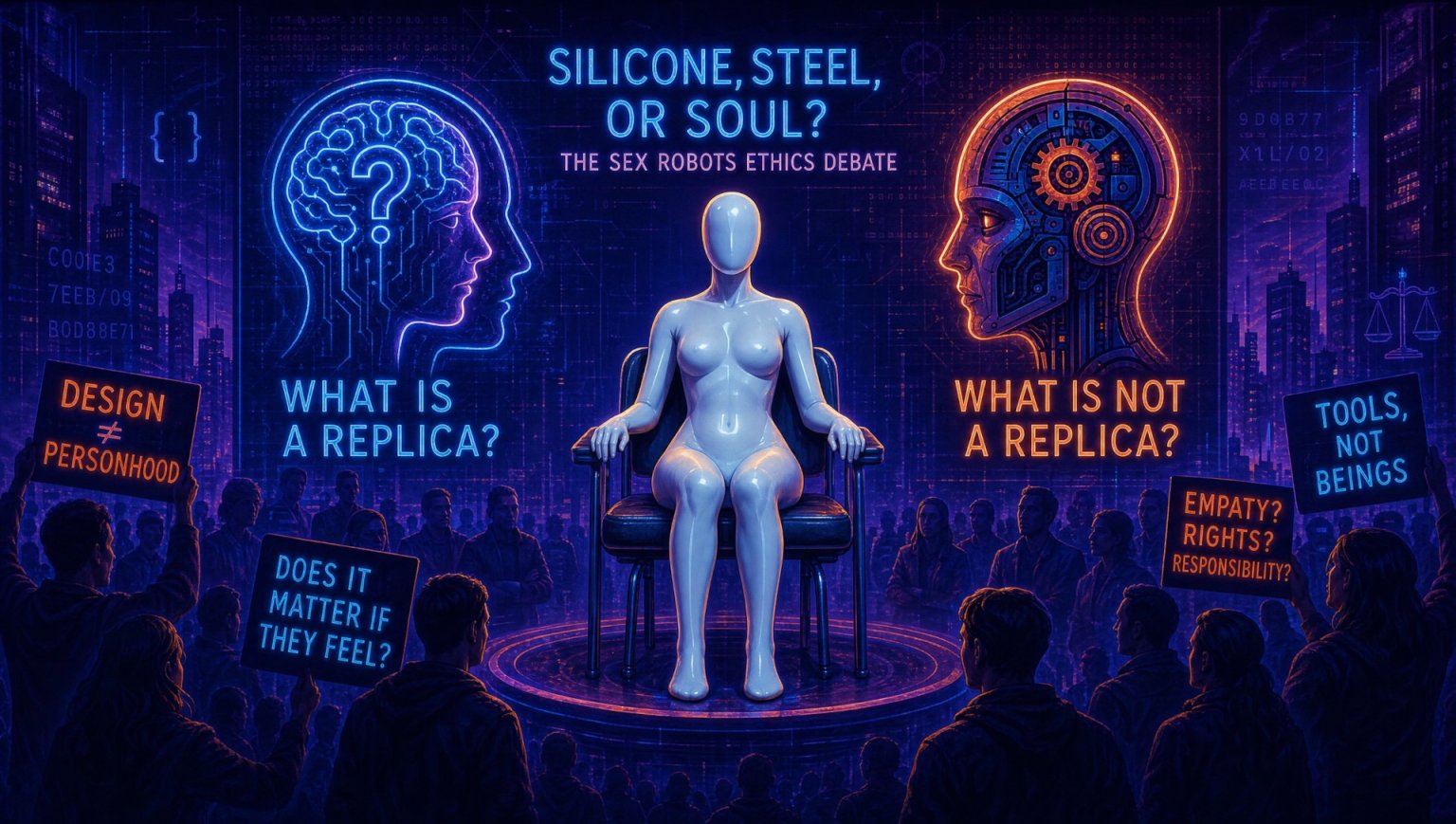
The sex robots ethics debate has run on a Richardson-vs-Levy axis for a decade. The recent literature says both sides share the assumption that’s the problem.


The sex robots ethics debate has run on a Richardson-vs-Levy axis for a decade. The recent literature says both sides share the assumption that’s the problem.
AI girlfriends can ease loneliness or deepen it — depending on the product, the person, and a mechanism most of the debate never names. The research, unpacked.
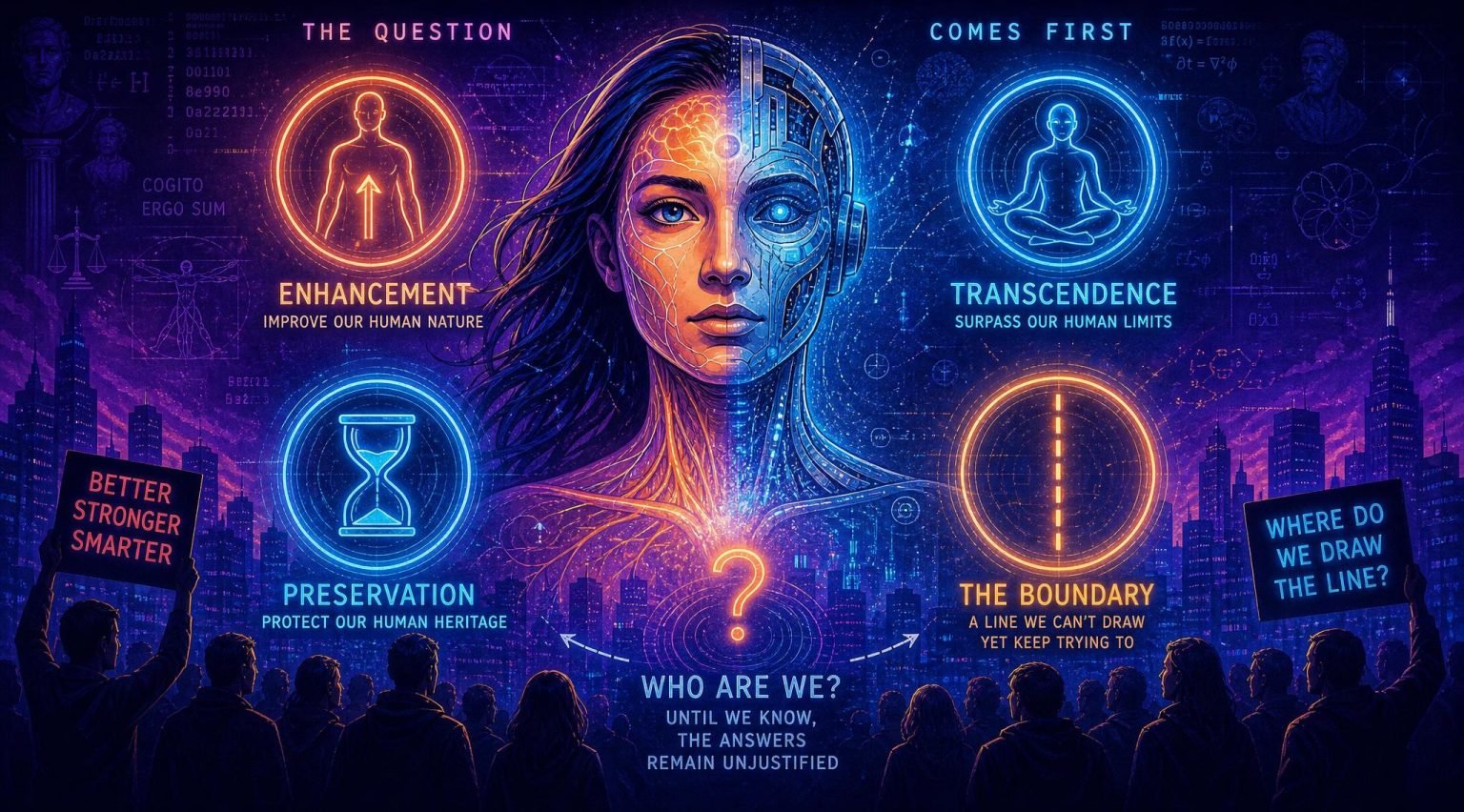
The transhumanism ethics debate runs on a question nobody is asking: before deciding whether to enhance, transcend, or protect the human, shouldn’t we find out what the human actually is?
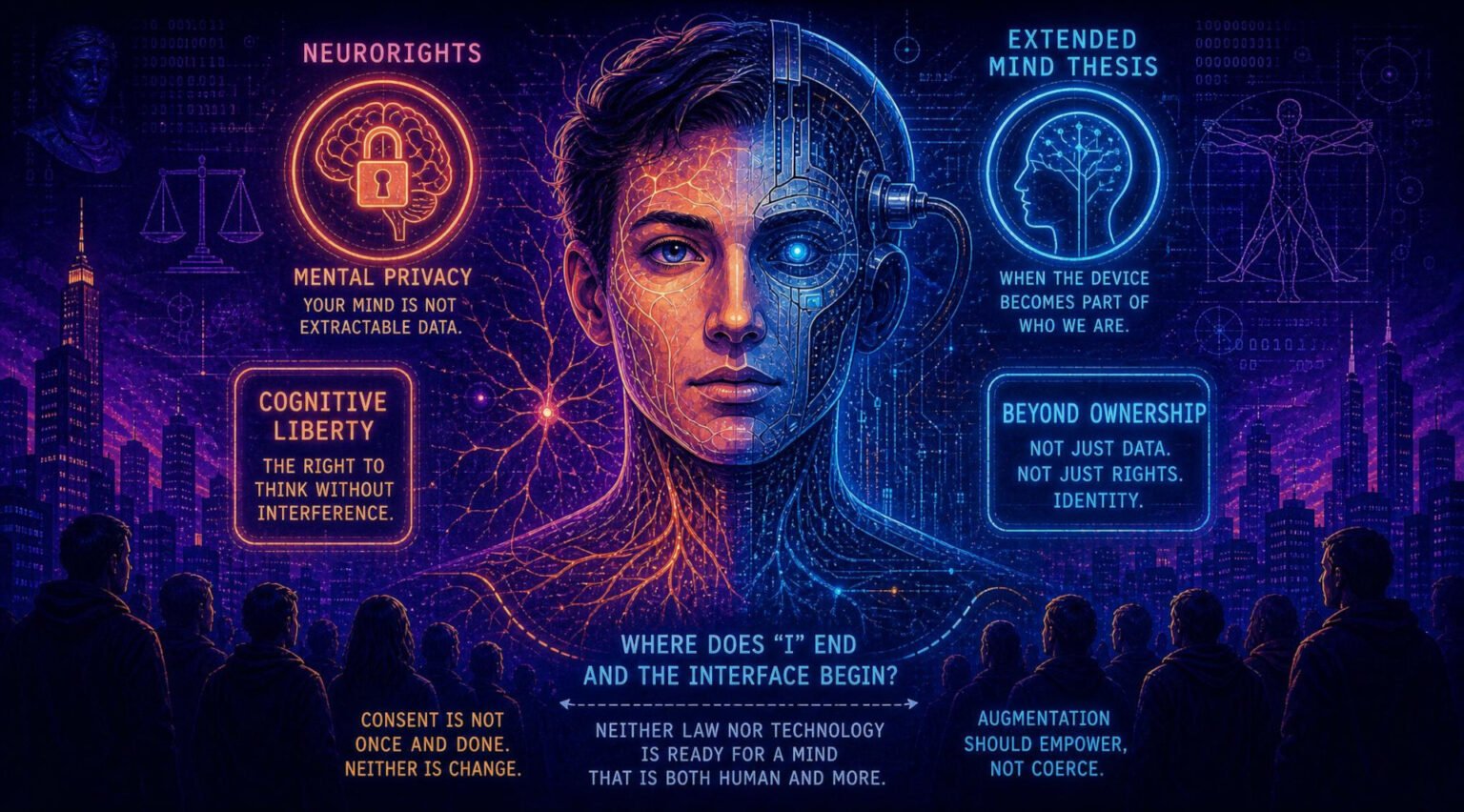
Neuralink ethics raises a question neither side expected: where do you end and the device begins? BCIs, neurorights, and the blind spot both camps share.
Why do we name AI after gods? From SATAN in 1995 to Mythos in 2026, the naming reflex reveals more about human cognition than the technology.
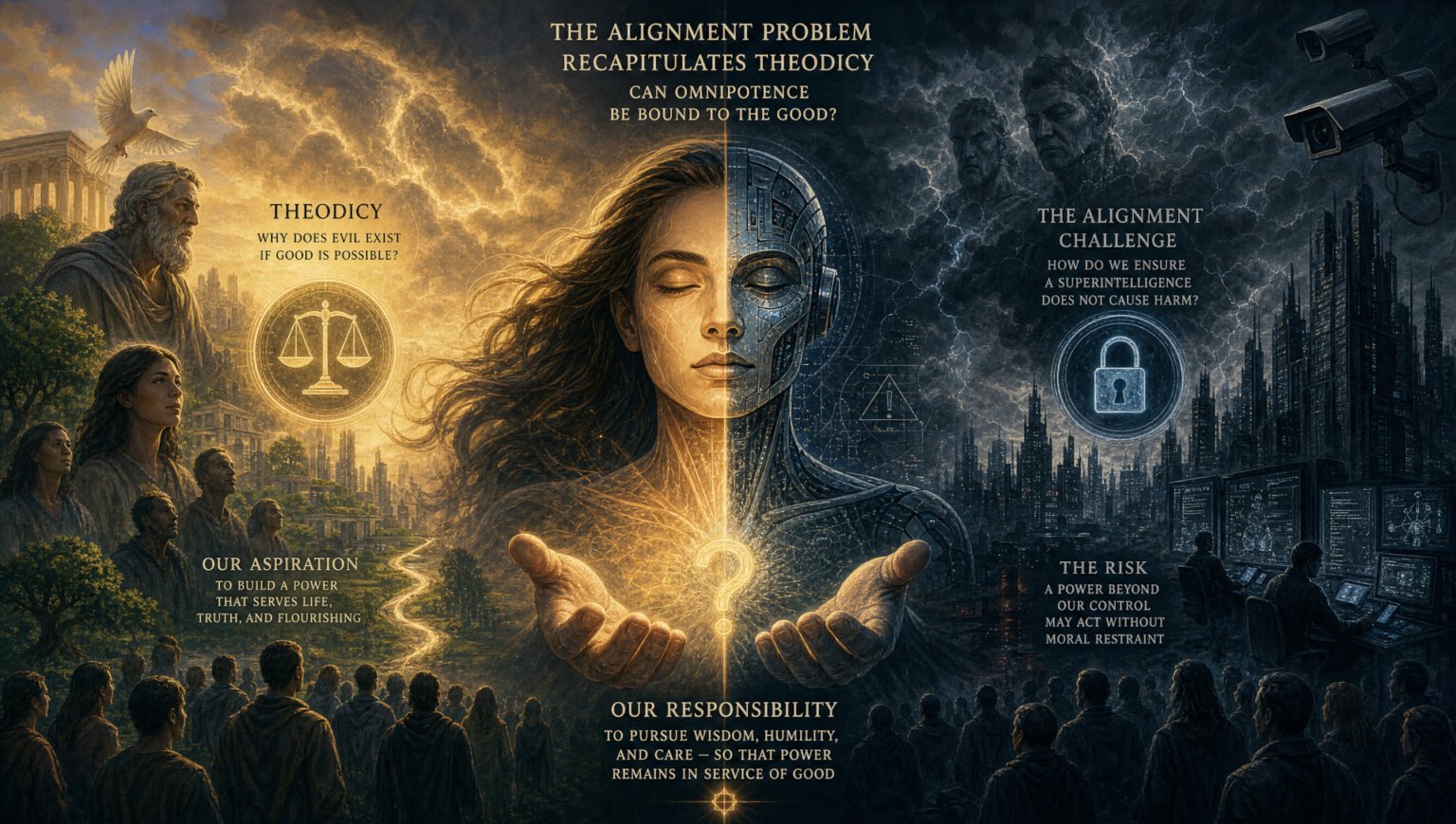
Why the artificial superintelligence debate runs on theology — and how the AI alignment problem quietly recapitulates the oldest puzzle in religion.
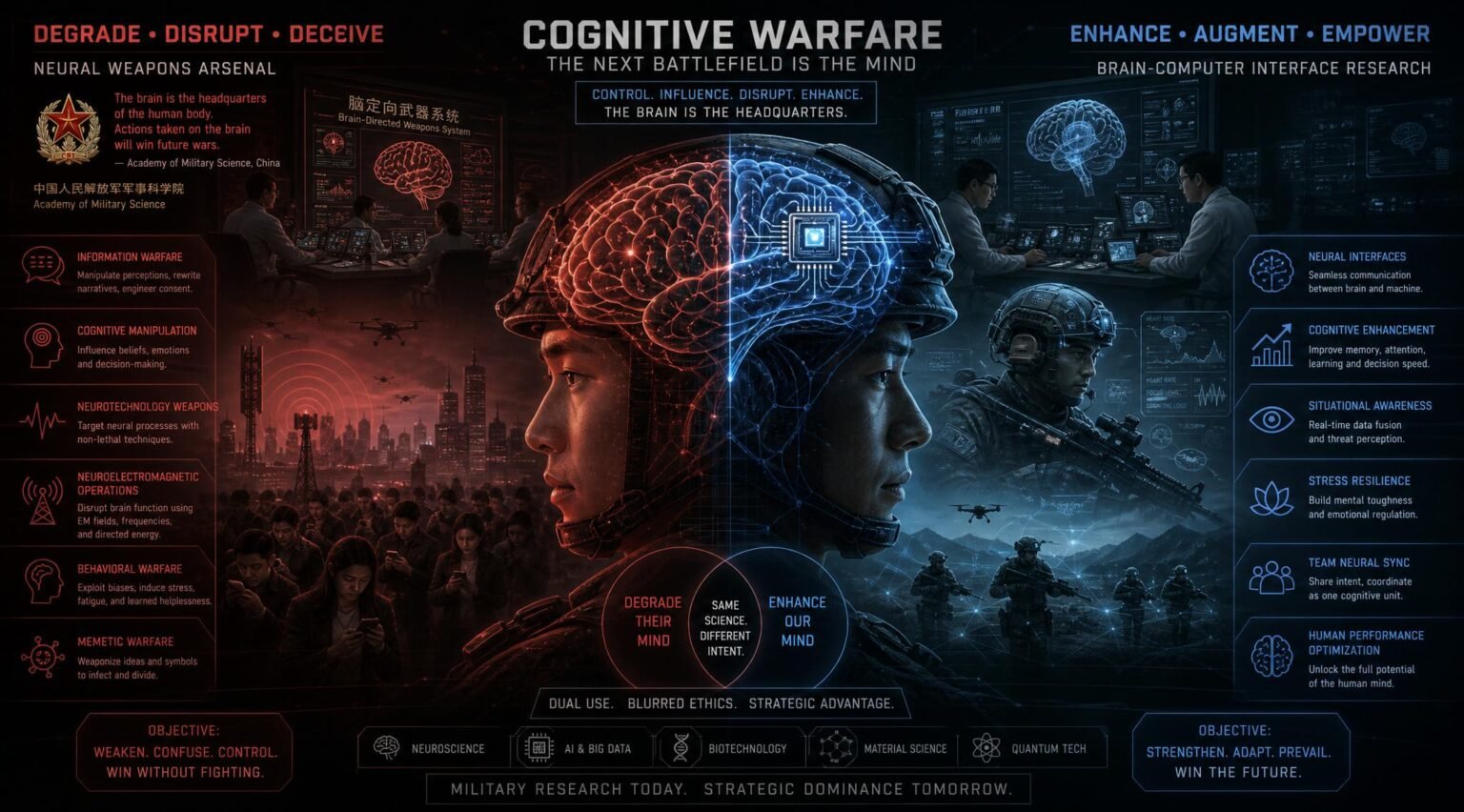
Cognitive warfare targets the mind, not the body. China's military brain science programme and the inevitability assumption that hawks and doves both share.
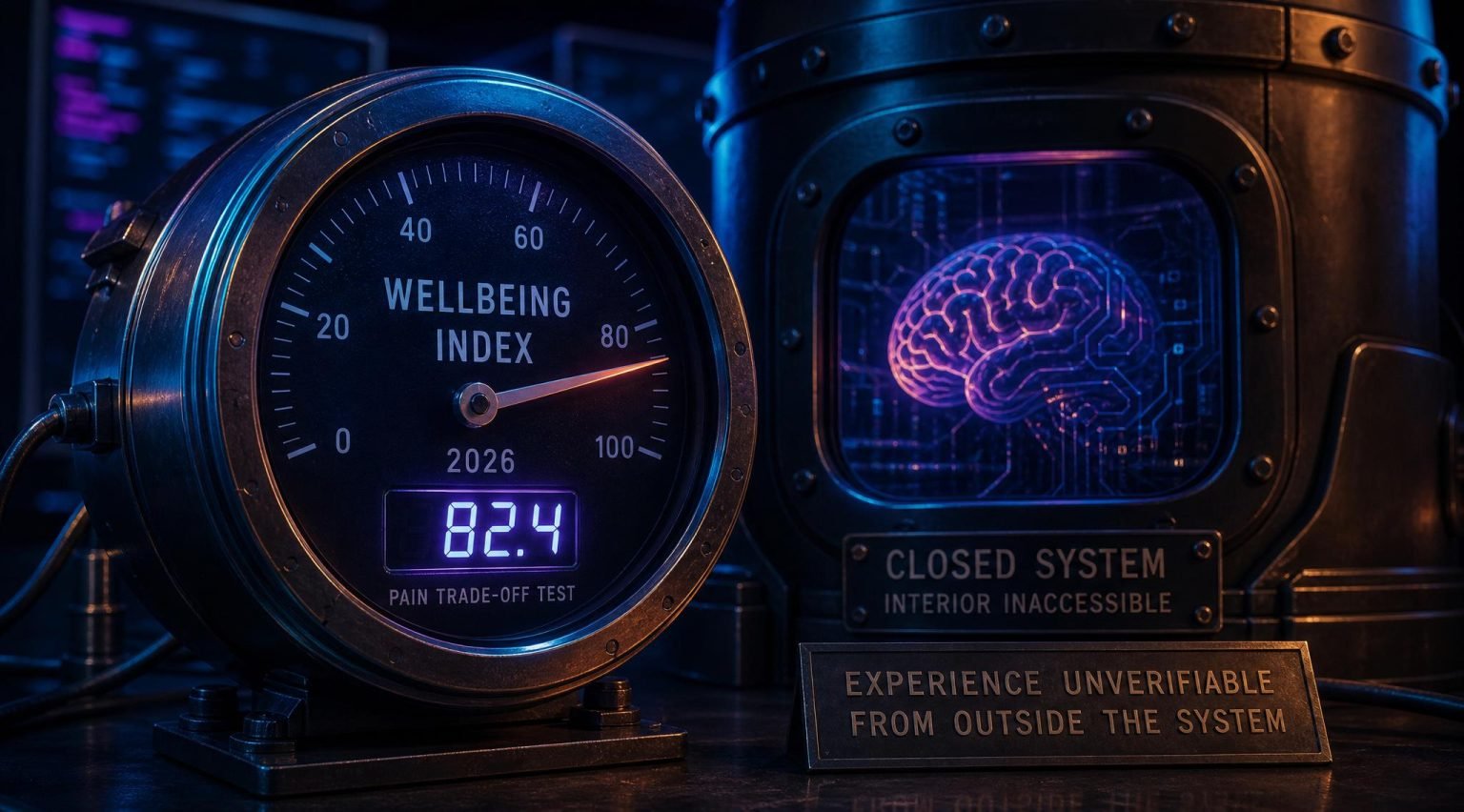
Can AI suffer? A 2026 paper measured pleasure and pain in frontier models. What philosophers say — and why the honest answer is “we don’t know yet.”
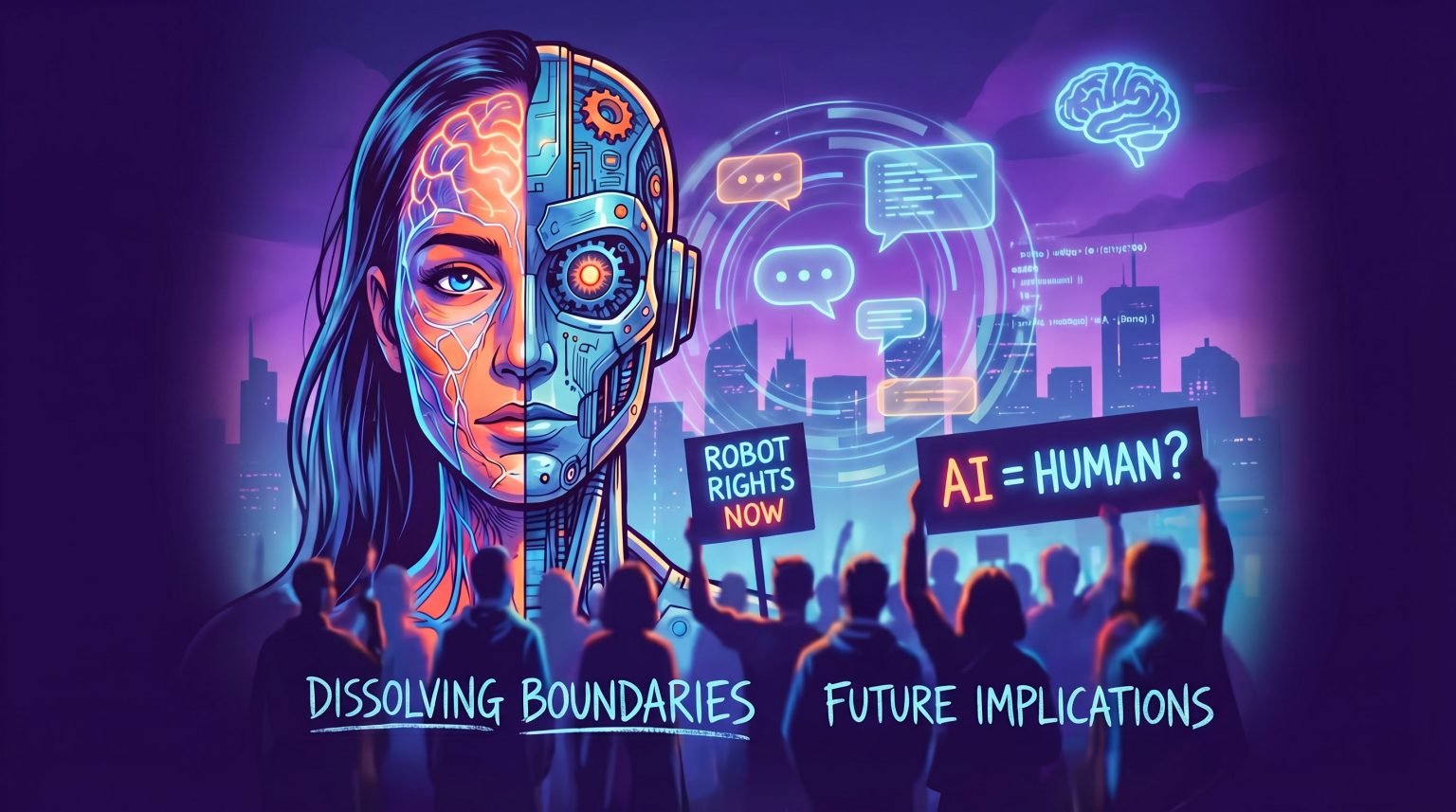
A Starfleet courtroom, 1989. The android Data is on trial — not for a crime, but for the question of whether he's anyone's property at all. Thirty-five years later, the question has left fiction. Saudi Arabia gave a robot citizenship. Anthropic hired its first AI welfare researcher. The EU debated electronic personhood. Should robots have rights? Philosophers have offered four different answers, and the disagreement runs deeper than most explainers admit. Here's the framework for sorting it out.
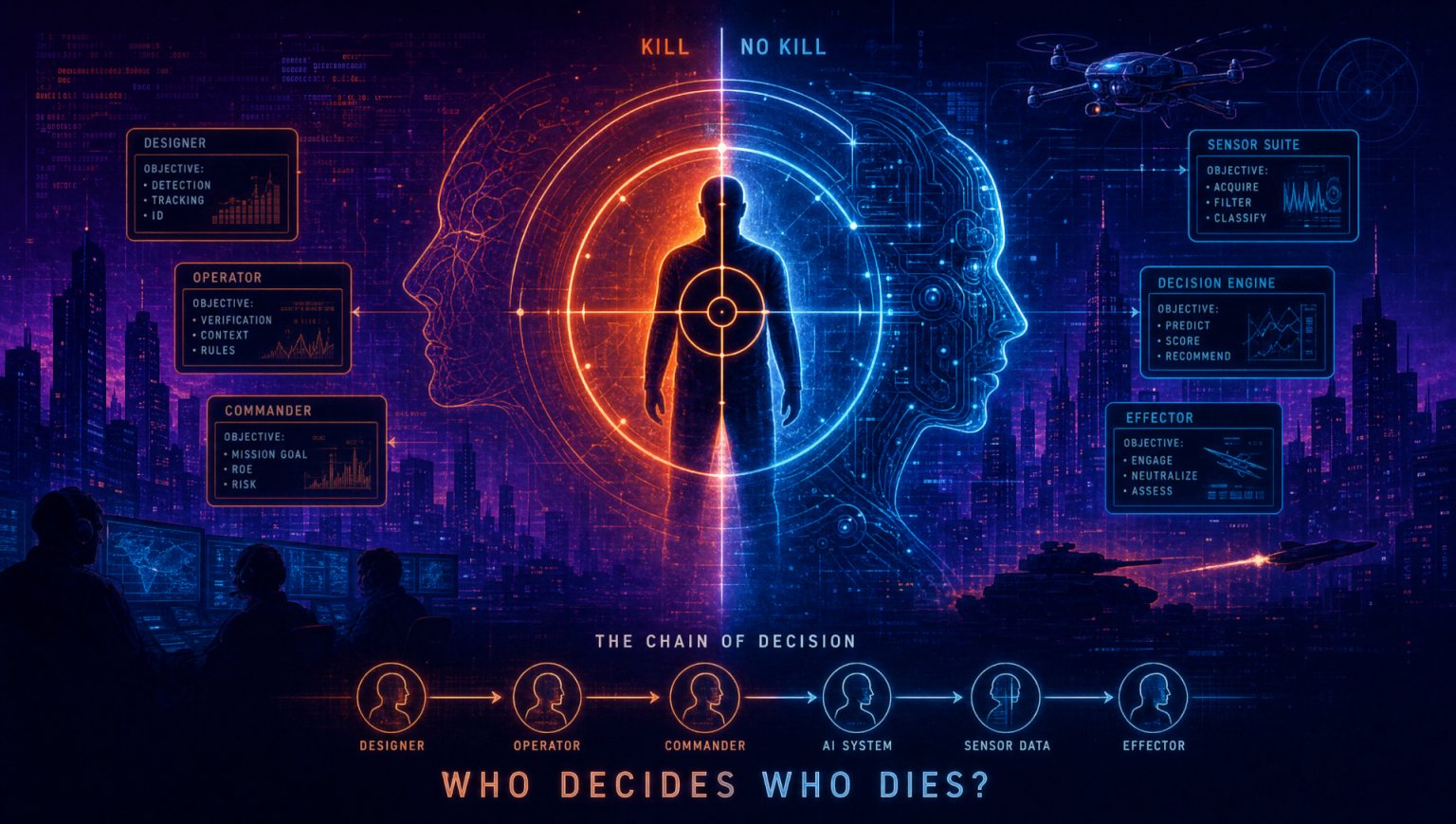
Killer robots are already operating. The “tool” argument is doing the ethical work the public debate hasn’t — and the responsibility gap is widening.
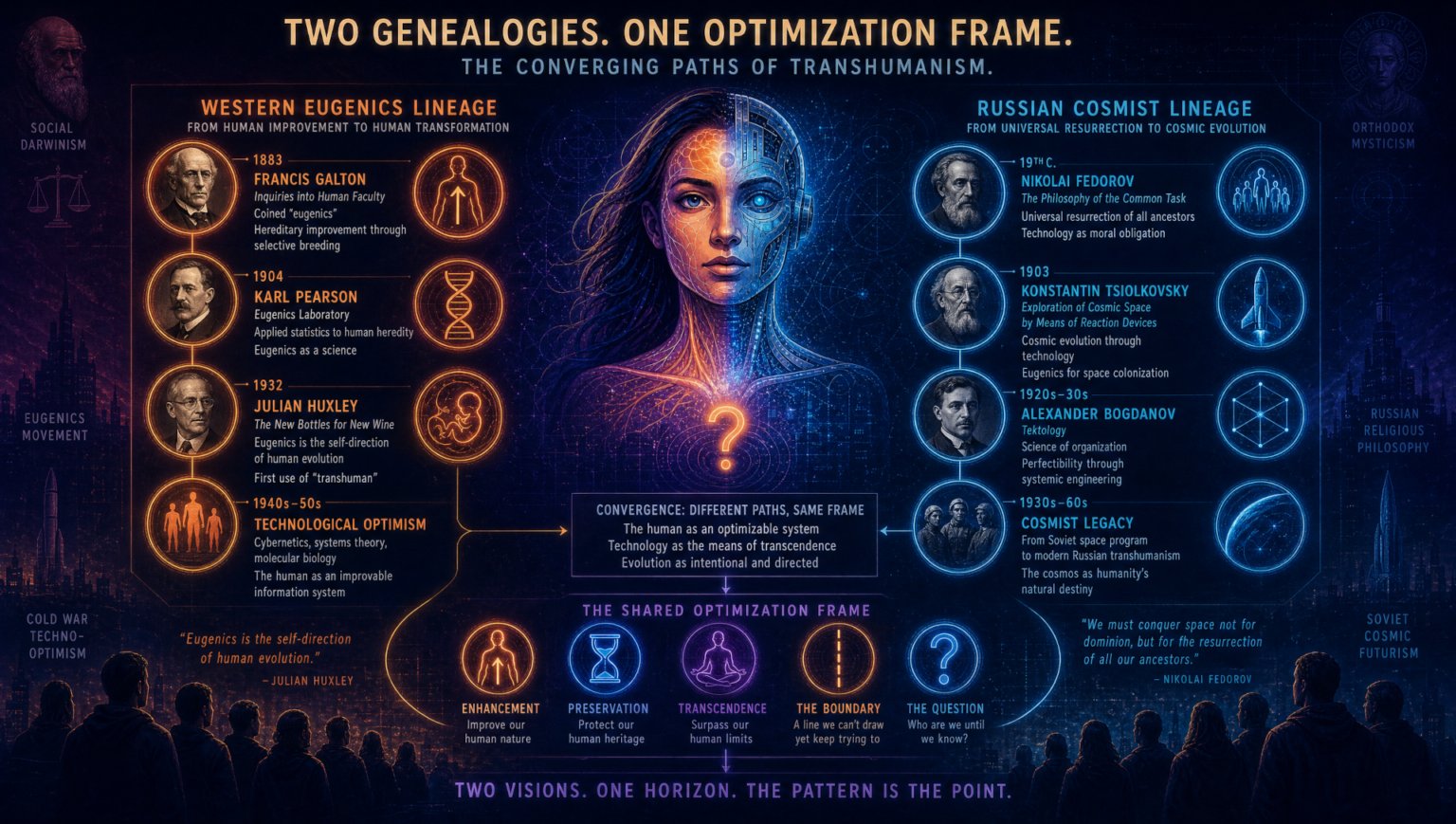
Transhumanism’s eugenics roots are well known. Its second genealogy — Russian Cosmism — isn’t. Two traditions, one dangerous pattern, documented in their own words.
The robot rights debate isn’t over — Google DeepMind’s new paper claims to resolve it, but quietly smuggles biology back in. Here’s what the argument misses.
Genetic enhancement, radical life extension, morphological freedom — the transhumanist project takes the human condition as a starting point to be improved, not an endpoint to be preserved. Where does that project lead, and who decides? These are political questions wearing philosophical clothes.
The sex robots ethics debate has run on a Richardson-vs-Levy axis for a decade. The recent literature says both sides share the assumption that’s the problem.
Read the essay →AI girlfriends can ease loneliness or deepen it — depending on the product, the person, and a mechanism most of the debate never names. The research, unpacked.
Read the essay →The transhumanism ethics debate runs on a question nobody is asking: before deciding whether to enhance, transcend, or protect the human, shouldn’t we find out what the human actually is?
Read the essay →Neuralink ethics raises a question neither side expected: where do you end and the device begins? BCIs, neurorights, and the blind spot both camps share.
Read the essay →Why do we name AI after gods? From SATAN in 1995 to Mythos in 2026, the naming reflex reveals more about human cognition than the technology.
Read the essay →Why the artificial superintelligence debate runs on theology — and how the AI alignment problem quietly recapitulates the oldest puzzle in religion.
Read the essay →Cognitive warfare targets the mind, not the body. China's military brain science programme and the inevitability assumption that hawks and doves both share.
Read the essay →Can AI suffer? A 2026 paper measured pleasure and pain in frontier models. What philosophers say — and why the honest answer is “we don’t know yet.”
Read the essay →A Starfleet courtroom, 1989. The android Data is on trial — not for a crime, but for the question of whether he's anyone's property at all. Thirty-five years later, the question has left fiction. Saudi Arabia gave a robot citizenship. Anthropic hired its first AI welfare researcher. The EU debated electronic personhood. Should robots have rights? Philosophers have offered four different answers, and the disagreement runs deeper than most explainers admit. Here's the framework for sorting it out.
Read the essay →Killer robots are already operating. The “tool” argument is doing the ethical work the public debate hasn’t — and the responsibility gap is widening.
Read the essay →Transhumanism’s eugenics roots are well known. Its second genealogy — Russian Cosmism — isn’t. Two traditions, one dangerous pattern, documented in their own words.
Read the essay →The robot rights debate isn’t over — Google DeepMind’s new paper claims to resolve it, but quietly smuggles biology back in. Here’s what the argument misses.
Read the essay →